Geneva – Architecture of Memories: Group Show
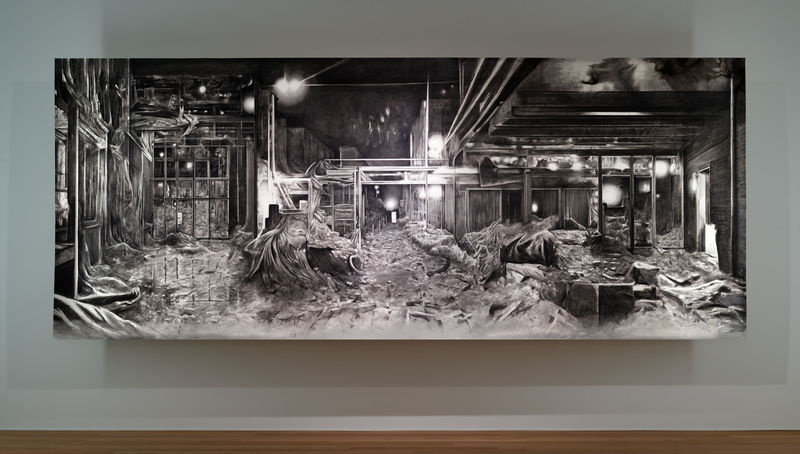
Opening reception & Nuit des Bains, Wednesday March 12th, from 6 to 9pm.
Memory is not fixed. It changes over time. It breaks into pieces, fades, and forms again through our
experiences and perceptions. In the work of Alina Frieske and Tobias Nussbaumer, memory is not
just a theme, it is like a building material. They layer it, shape it, and turn it into spaces and images.
Their art explores how pictures, architecture, and technology influence the way we remember. In this
way, memory becomes something built between what we see and what we imagine.
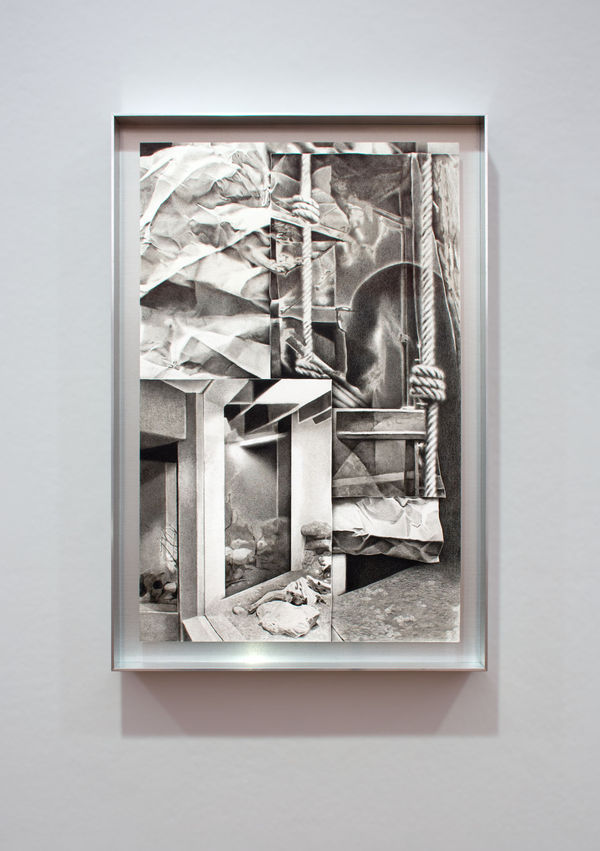
Alina Frieske works mainly with many collected images. She combines and rebuilds them into new
scenes. Nussbaumer, on the other hand, works with space. He shapes and changes architectural
elements. Even though their methods are different, both artists are interested in reconstruction. They
show that what looks whole and continuous, like a room or a photograph, is actually made of many
separate parts. Their work makes us aware of how unity is created, whether by our mind, by
technology, or by architecture.
Technology is very important in both of their practices. It is not just a tool, but something that shapes
how we see and understand the world. Frieske uses digital techniques to combine many images,
reflecting how memory today is often stored on computers and online systems. Nussbaumer explores
how our perception of space is shaped by physical structures, technical systems, and psychological
frameworks. Their works stand between the digital and the physical world, showing how closely
connected our inner thoughts and the outside world are.The “architecture of memories” they create is not fixed or permanent. It is always changing and open to new interpretations. They do not try to keep memories exactly as they were. Instead, they show that memory is active and creative. It constantly reshapes the past from the perspective of the present.
Their work suggests that memory is not something we simply have, but something we build. It is made
of fragments, images, and spaces that we put together again and again. Through their art, Alina
Frieske and Tobias Nussbaumer make this invisible structure visible and invite us to reflect on how
we remember and construct our own realities.

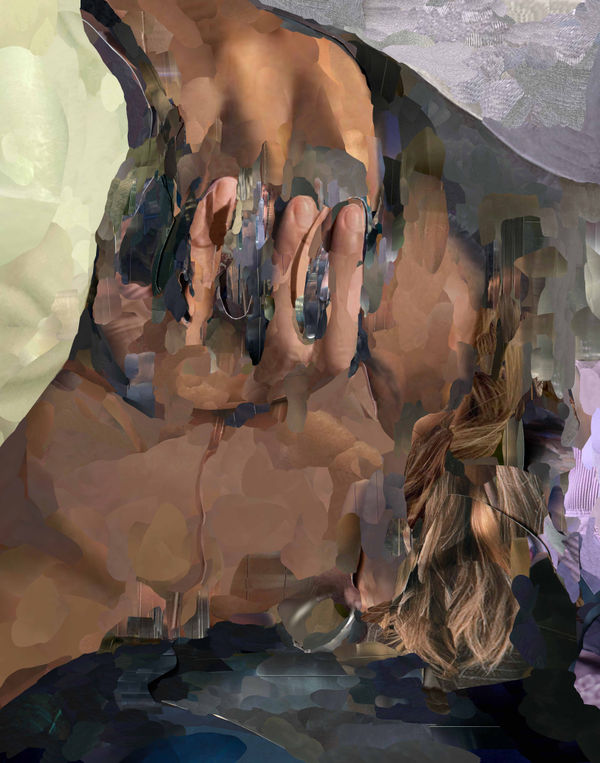
![Alina Frieske, Unintended Portraits [2], 2018, Archival print on Photorag Mat, 139 x 98 cm, Edition of 3 plus 2 artist's proofs (#1/3).](https://static-assets.artlogic.net/w_600,c_limit,f_auto,fl_lossy,q_auto/ws-artlogicwebsite0840/usr/exhibitions/images/exhibitions/54/fri008-1-3-image.png)


